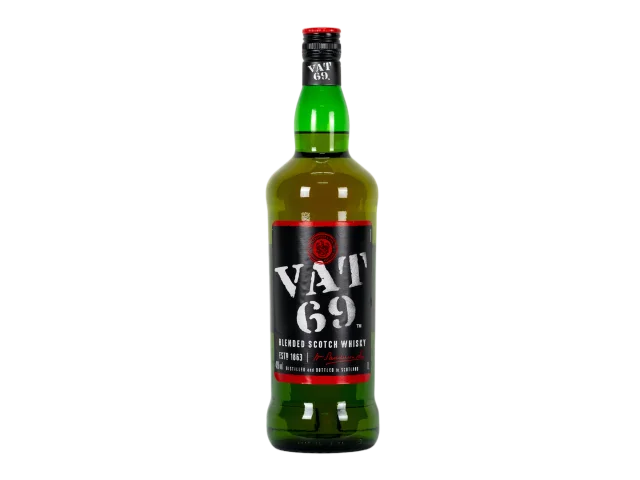
On a whisky label, ‘cask strength’ means the whisky is bottled at the high alcohol strength it reached in the barrel, without being diluted down — so it is more intense and you can add water to taste. An ‘age statement’ is the number of years the whisky matured in the cask, and it always refers to the youngest whisky in the bottle. ‘NAS’ means No Age Statement — the whisky has no stated age, which is not automatically a sign of lower quality.
Most whisky is diluted with water before bottling to a standard strength, often around 40 to 46% ABV. Cask strength skips that step, bottling at the barrel’s natural strength — frequently 50 to 60% or higher. The appeal is intensity and purity of flavour, plus the flexibility to add a few drops of water yourself to find the point where the whisky opens up. It is stronger, not simply ‘better’, so treat it with a little care.
An age statement, like 12 or 18 years, tells you how long the whisky matured in oak, but specifically the age of the youngest whisky in the blend or vatting. A ’12 year old’ may contain older whisky too, yet nothing younger than 12. Age brings oak influence and complexity, though older is not always more enjoyable; it depends on the spirit and the cask.
No Age Statement whiskies simply do not print an age. This has become common as distilleries balance stock and create expressions defined by flavour rather than years. Some NAS bottlings are excellent, others ordinary — exactly as with age-stated whisky. Judge them on taste and reputation rather than assuming the missing number signals a compromise. CityDrinks’ whisky range includes cask strength, age-stated and NAS bottlings, so the labels are easy to compare in practice.
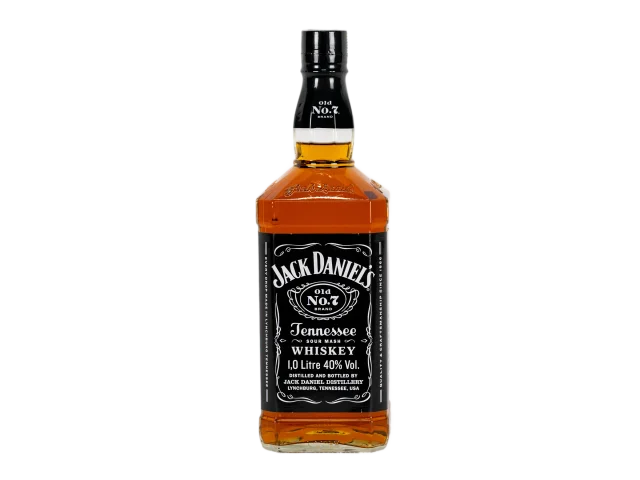
Jack Daniel's Old No.7 Tennessee Whiskey
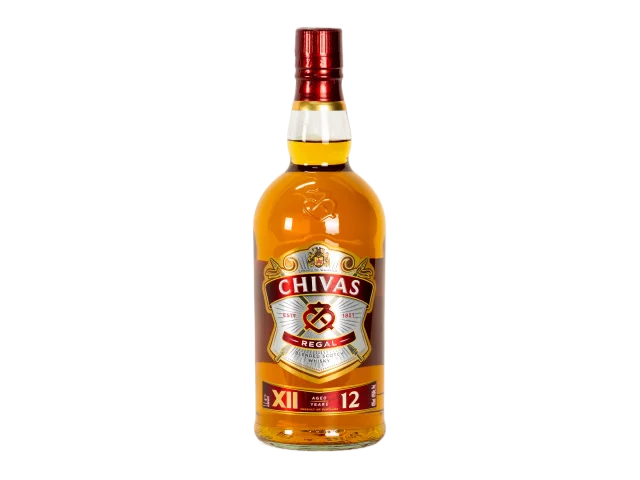
Chivas Regal 12 Year Old Blended Scotch
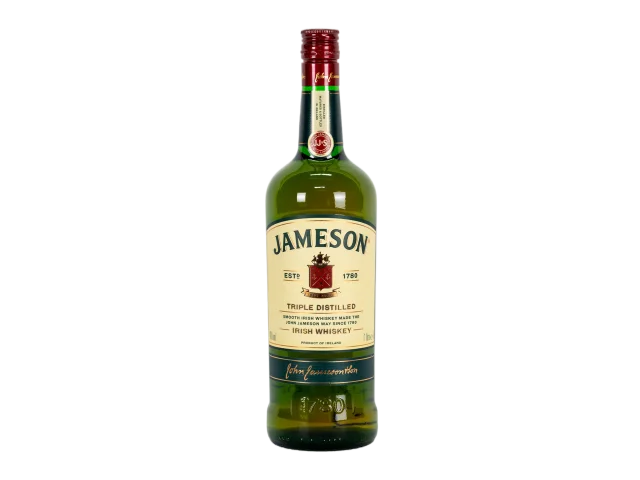
Jameson Triple Distilled Irish Whiskey
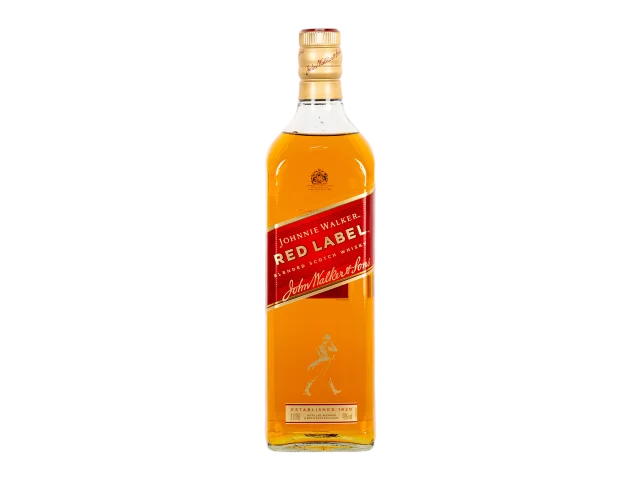
Johnnie Walker Red Label
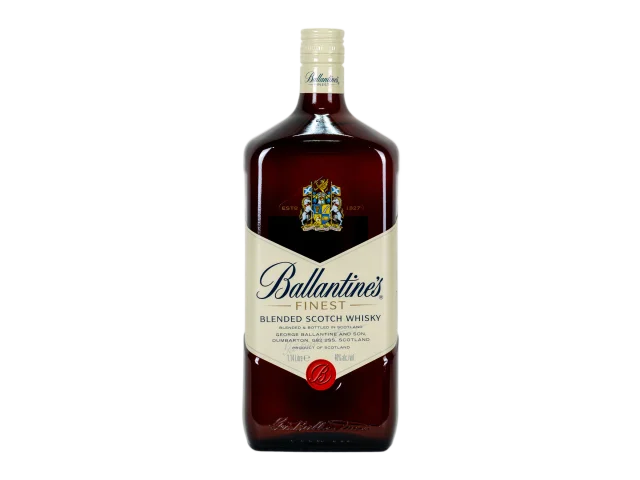
Ballantine's Finest Blended Scotch
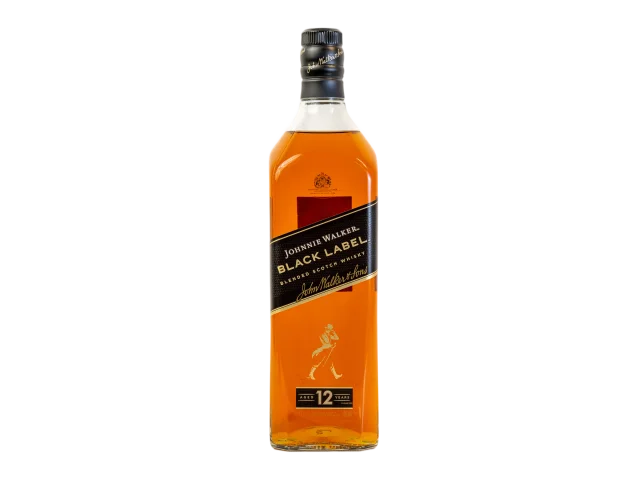
Johnnie Walker Black Label
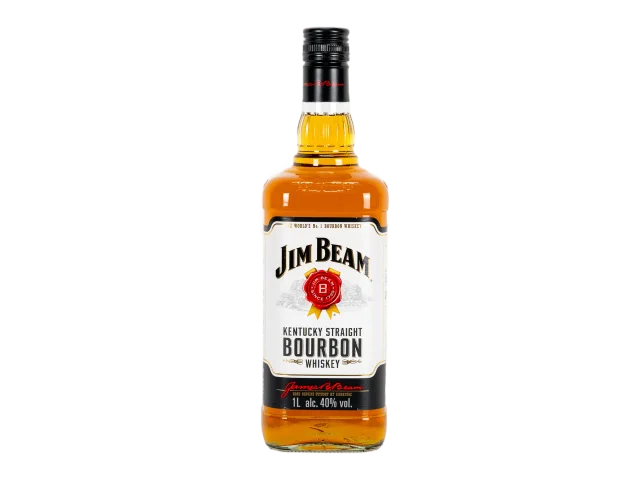
Jim Beam Kentucky Straight Bourbon