


New Wine Picks for September
September sits somewhere between summer and the start of a new season — and our wine choices tend to shift with it. We still want freshness and energy in the glass, but richer food and longer evenings also bring reds back into focus. This month, we’re exploring three different directions: cool-climate wines with vibrant acidity, reds built for steak, and smart Bordeaux buys that offer serious quality without the biggest price tags.
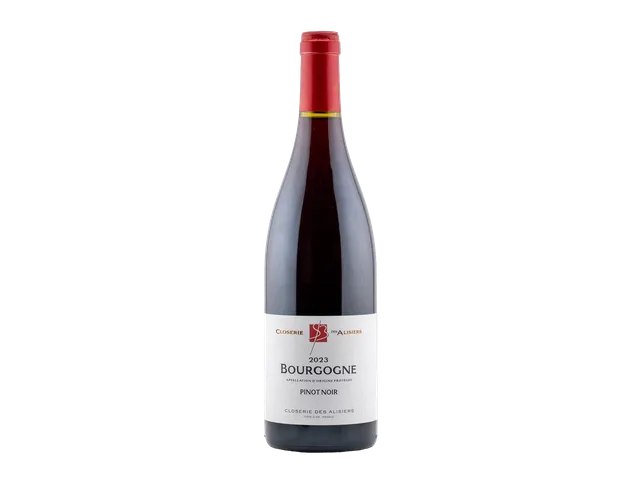
Stéphane Brocard Bourgogne Closerie des Alisiers Rouge
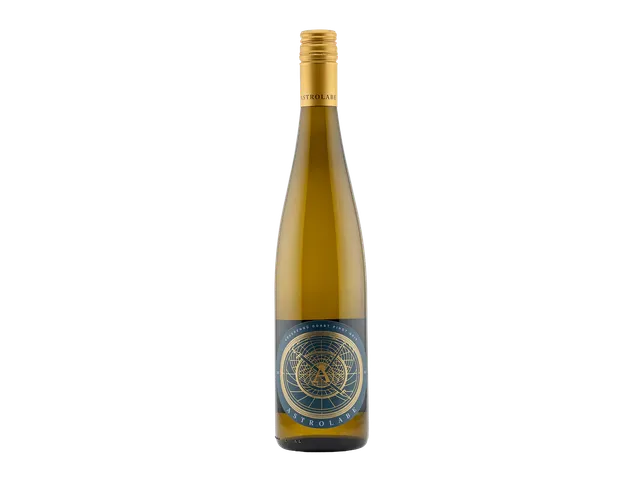
Astrolabe Kēkerengū Coast Pinot Gris
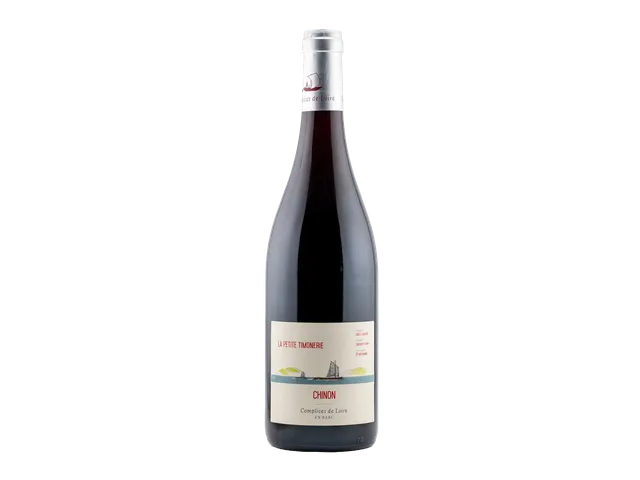
Complices de Loire Chinon La Petite Timonerie Rouge
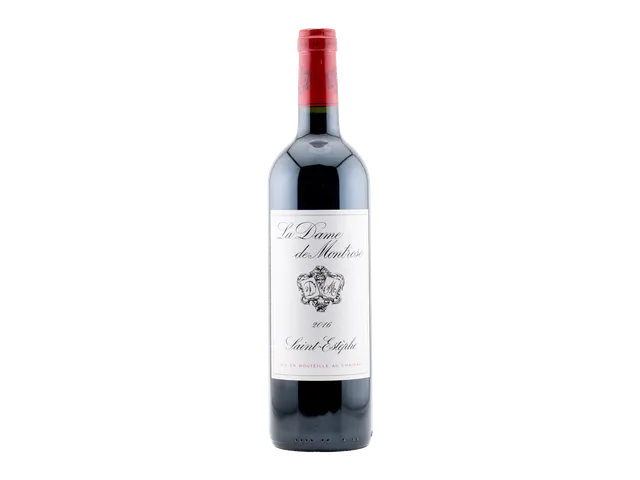
Château Montrose La Dame de Montrose Saint-Estèphe 2016
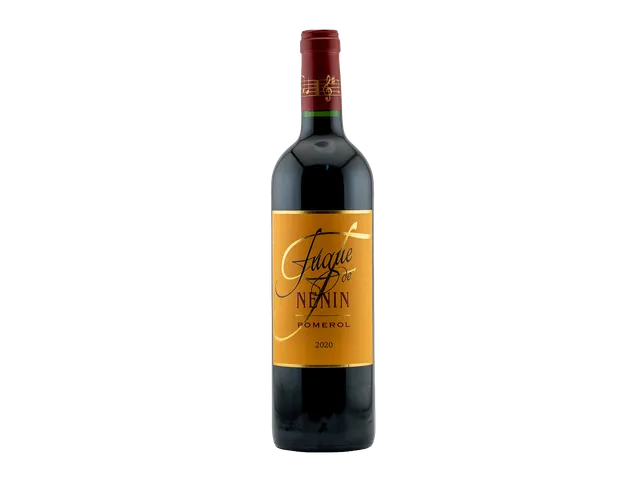
Château Nenin Fugue de Nenin Pomerol 2020
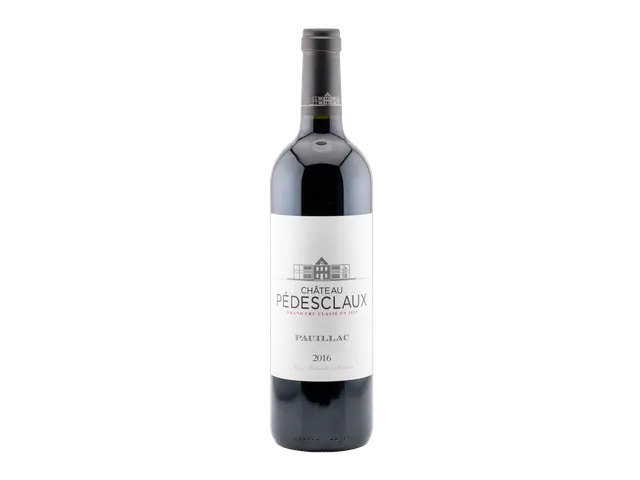
Château Pédesclaux Pauillac 2016
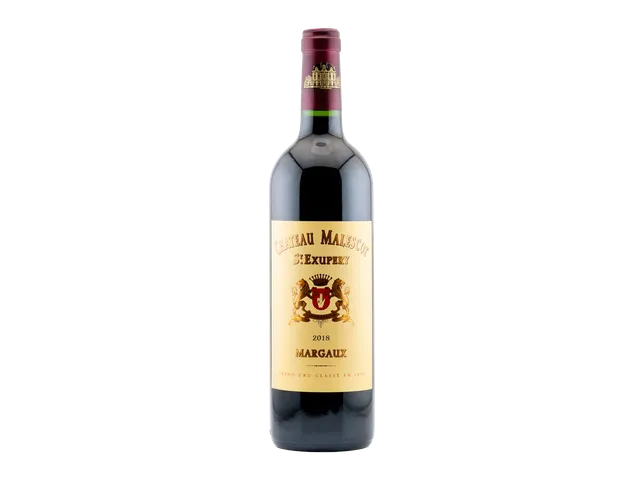
Château Malescot St. Exupéry Margaux 2018
Rocca dei Forti Prosecco DOC (6-pack)
Cool Climate Wines

A vine is a mirror of the place where it grows, and no — identifying a wine blind is not just a party trick. Professionals build the picture clue by clue: grape variety from its aroma and structure, winemaking techniques from subtle stylistic details, and even geology can help support a hypothesis about origin. But one of the first and clearest clues is climate, because it shapes the entire ripening process.
In cooler regions, grapes generally ripen more slowly, retain more natural acidity and accumulate sugar at a gentler pace, often resulting in wines with crisp freshness, bright fruit, moderate alcohol and a lighter, more delicate structure.
Burgundy and Alto Piemonte are classic examples, while the Atlantic influence of Loire Valley gives wines such as their unmistakable freshness.
New Zealand adds another fascinating dimension: cool maritime conditions meet unusually intense solar and UV radiation, which influences the composition of grape skins and aromatic compounds while preserving vibrant acidity.
Explore this contrast through Astrolabe Kēkerengū Coast Pinot Gris, Albariño and Sauvignon Blanc — familiar grapes showing just how strongly climate can rewrite their style.
Steak Night Reds

The classic pairing of red wine and meat did not become a stereotype by accident, but the logic behind it is often misunderstood. It is tempting to match a rich, flavourful steak with the biggest, fullest wine possible, yet this can easily make an already substantial dish feel even heavier. The more useful principle is balance: tannins, responsible for that drying sensation in red wine, interact with proteins and are softened by protein- and fat-rich foods, while acidity brings the freshness needed to cut through a juicy steak or any rich, comforting dish.
So for a well-marbled steak, look for reds that combine structure with vibrant acidity. Sangiovese is a textbook example, naturally high in acidity while retaining plenty of tannin — try San Felice Chianti Classico or Lamole di Lamole Maggiolo Chianti Classico. Loire Cabernet Franc, offers the same freshness in a leaner, more savoury style. From cooler Piedmont, Barbera is also great choice, with enough freshness and structure to work well with the food without overpowering it.
And if you still want more body, go for Catena Malbec show a fresher, more modern side of the variety, combining ripe fruit and depth with the acidity needed to keep the pairing lively. Find even more steak-friendly reds in our selection.
Bordeaux Smart Buys

It is hardly a secret that some of Bordeaux’s smartest buys are second wines. They often come from the same estates, benefit from the same winemaking teams and expertise, yet are usually designed to become approachable earlier than the grand vin.
Wines such as Les Pagodes de Cos, La Dame de Montrose or Fugue de Nénin can therefore offer a glimpse of a great château’s style without demanding decades of patience. But second wines are only part of the story.
Some estates ranked lower in the historic classifications can deliver remarkable quality, particularly if you are buying to drink over the next 5–10 years rather than to cellar for generations. Château Pédesclaux 2016, Château Cantemerle 2019 and Château Malescot St. Exupéry 2018 are good examples of wines where quality can feel far more ambitious than the price suggests.
And one small historical reminder: the famous 1855 Classification was created more than 170 years ago and has barely changed since. Climate, ownership, viticulture and winemaking have moved on enormously, so while Bordeaux may never officially rewrite the hierarchy, we are perfectly free to reconsider our own favourites — and that is exactly where the smartest buys are often found.


