


Rosé colour does not reveal sweetness; check the producer’s description and tasting notes. CityDrinks educational illustration.
Rosé wine can be dry, off-dry or sweet; its pink colour does not tell you which. At CityDrinks, our rosé guide starts with the way the wine is made. Colour mainly comes from grape skins, while sweetness depends on the sugar left in the finished wine and how it tastes alongside the other components. A photograph can show you the shade, but you need a description to understand the style.
If you have ever read “strawberry” on a label and expected something sweet, the confusion is understandable. Strawberries can describe an aroma as well as a taste. In wine language, those are separate observations.
Is rosé sweet or dry?
Both styles exist, along with wines between the two. The useful question is whether the particular wine is described as dry, off-dry or sweet. The word “rosé” identifies a broad wine category, so it cannot answer that question on its own.
The same applies to the word “fruity”. A rosé can have pronounced berry aromas and still be dry. A light colour can accompany several styles, and a deeper pink does not establish that more sugar remains in the wine. Read the sweetness description directly rather than trying to infer it from another characteristic.
Why is rosé pink?
For many rosés, dark grape skins provide the pigment. The juice is kept in contact with the skins for a limited time, then separated. Direct pressing and short maceration are two ways of managing that contact. Grape variety and decisions in the winery also help shape the final shade.
Think of two cups of unsweetened tea made with different leaves or different steeping times. One can be much darker without containing any more sugar. The comparison is only an analogy, but it explains why colour is a poor sweetness test.
There are several routes to rosé. In the saignée method, some juice is drawn off during maceration and fermented separately. A concrete Middle Eastern example comes from Lebanon: Château Ksara’s Rosé de Ksara technical sheet describes saignée after six to eight hours of maceration. That timing belongs to that wine; it is not a rule for every rosé.
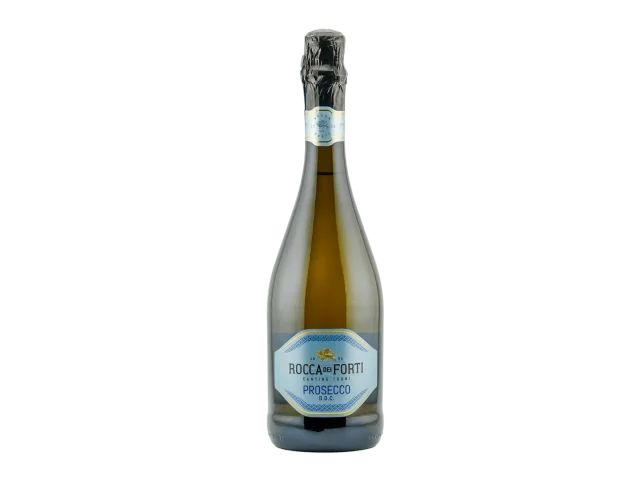
Rocca dei Forti Prosecco DOC
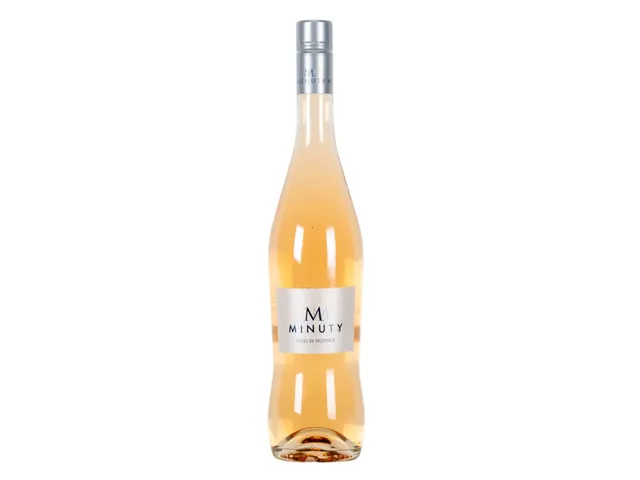
Minuty M Rosé
Rocca dei Forti Prosecco DOC (6-pack)
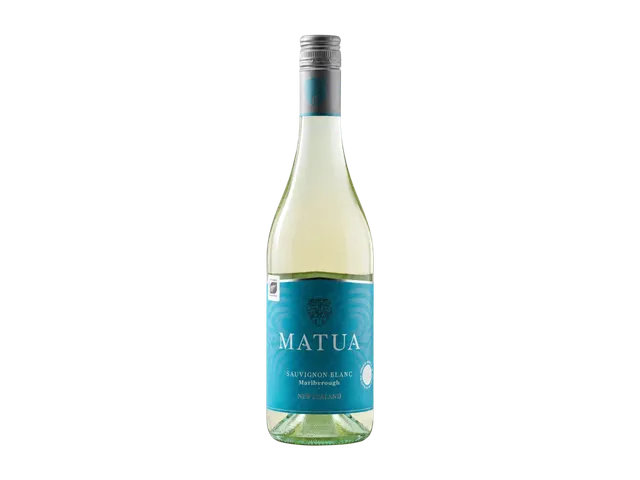
Matua Sauvignon Blanc
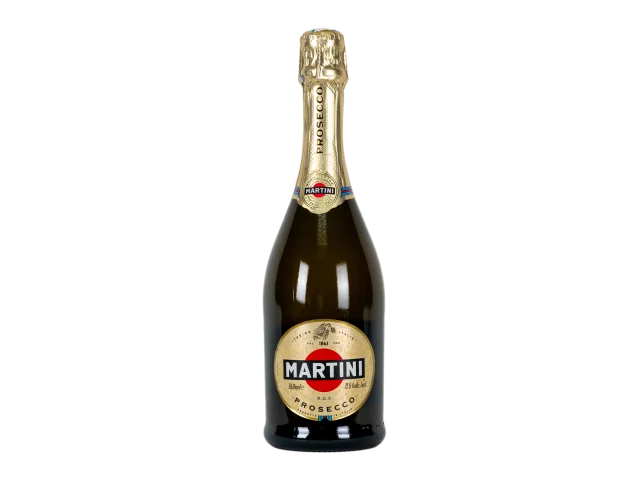
Martini Prosecco DOC
Casaldomo Cuvée Brut
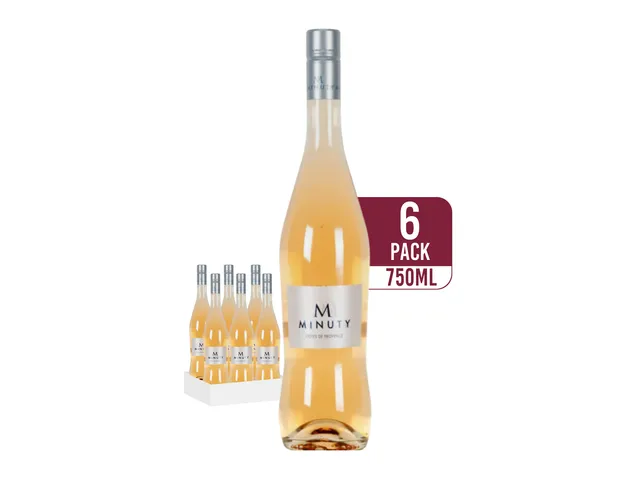
Minuty M Rosé (6-pack)
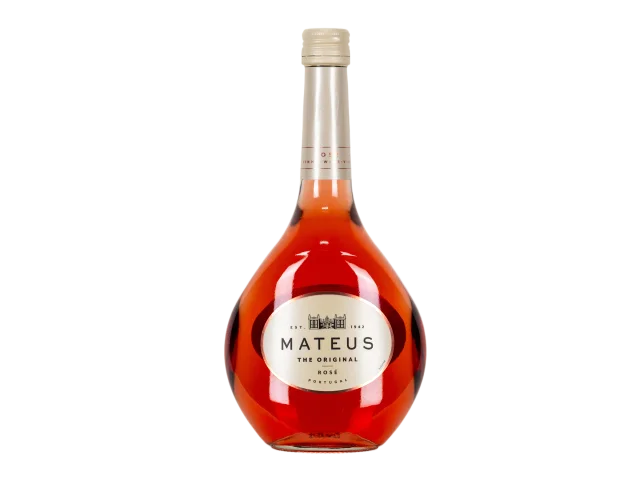
Mateus The Original Rosé
A dry wine can still smell of ripe fruit
Consider how a producer writes a tasting note. In its Château Musar Rosé 2020 notes, the Lebanese winery describes peach, strawberry and citrus character, while also identifying the wine as dry. The fruit words describe aroma and flavour; “dry” describes sweetness.
It is a useful example because it answers a common worry: a berry description does not mean a wine will taste like a sweet berry drink. The note is also vintage-specific. It explains that particular wine, rather than promising the same profile from every bottle of rosé.
Which words on a rosé label help?
| Detail | What it helps describe | What it cannot establish alone |
|---|---|---|
| Dry, off-dry or sweet | The stated sweetness style | The complete flavour profile |
| Strawberry, peach or citrus | Aroma and flavour character | The amount of sugar |
| Light-bodied or fuller-bodied | Weight and texture | Whether the wine is sweet |
| Pale salmon or deep pink | Appearance | Sweetness or quality |
A description such as “dry, with strawberry aromas and a light body” is perfectly coherent. Each part answers a different question. By contrast, a description that only says “fresh and fruity” leaves sweetness unresolved.
How to compare two rosés without guessing
Start by finding a clear sweetness description for each wine. Then compare acidity, fruit character and body. If a label is brief, the producer’s technical sheet or tasting note may supply the missing detail. When the information is absent, treat it as a gap rather than assuming the colour answers it.
For example, imagine one wine described as “dry, citrus-led and crisp” and another as “off-dry, with ripe berry notes”. These are illustrative descriptions, not named bottles. They tell you more than two photographs in slightly different shades of pink because they describe the characteristics you are comparing.
CityDrinks’ guide to choosing wine by taste and budget uses the same approach across wine styles. For sparkling rosé, read the sparkling-wine sweetness wording as well: our Champagne and Prosecco comparison explains why terms such as Brut and Extra Dry need their own explanation.
Quick questions about rosé sweetness
Does pale rosé always mean dry?
No. A pale shade describes appearance. Check the stated sweetness or producer’s tasting note for the style.
Can darker rosé be dry?
Yes. A deeper colour can reflect grape variety and winemaking choices without establishing a higher sugar level.
Does “fruity” mean sweet?
No. A wine can have fruit aromas and flavours while being dry. Look for an explicit sweetness description.
21+ | Educational content.


