


The label shows 13.5% vol. and 750 ml. The article’s 12% calculation is a separate worked example. CityDrinks educational illustration.
ABV means alcohol by volume. A wine labelled 12% ABV contains about 12 ml of alcohol by volume per 100 ml of wine; for a 750 ml bottle, that works out to about 90 ml. At CityDrinks, our guide to reading wine styles treats alcohol, sweetness and body as separate details. The percentage is useful, but it cannot describe the entire wine.
If the small print has ever looked more like a maths exercise than a wine label, here is the useful part: the percentage tells you concentration, while the bottle size tells you volume. You need both to estimate the total alcohol content.
What does ABV mean on a wine label?
Alcohol by volume expresses alcohol concentration as a percentage. On labels, you may see ABV, “alc./vol.” or “% vol.” alongside the number. In a 12% wine, alcohol accounts for approximately twelve hundredths of the total volume.
The word “volume” matters. A 12% label does not mean twelve grams of alcohol, twelve servings or twelve units of sweetness. Those would be different measurements. The bottle’s volume is usually stated separately in millilitres or centilitres.
For a real Middle Eastern producer example, Château Musar’s Rosé 2020 technical notes state 13% Alc./Vol. That is a specification for that wine and vintage. It is more precise than assuming every rosé has the same strength.
How much alcohol is in a 750 ml bottle?
Multiply bottle volume by the ABV expressed as a decimal. For 12% ABV, the decimal is 0.12, so the calculation is 750 × 0.12 = 90 ml. This is an approximate volume calculation based on the stated label, rather than a laboratory measurement of an individual bottle.
| Bottle volume | Label ABV | Calculation | Approximate alcohol by volume |
|---|---|---|---|
| 750 ml | 12% | 750 × 0.12 | 90 ml |
| 750 ml | 13% | 750 × 0.13 | 97.5 ml |
| 750 ml | 13.5% | 750 × 0.135 | 101.25 ml |
| 1,000 ml | 12% | 1,000 × 0.12 | 120 ml |
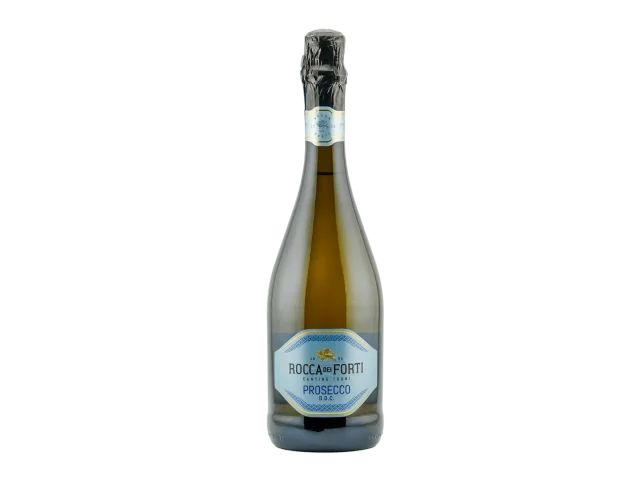
Rocca dei Forti Prosecco DOC
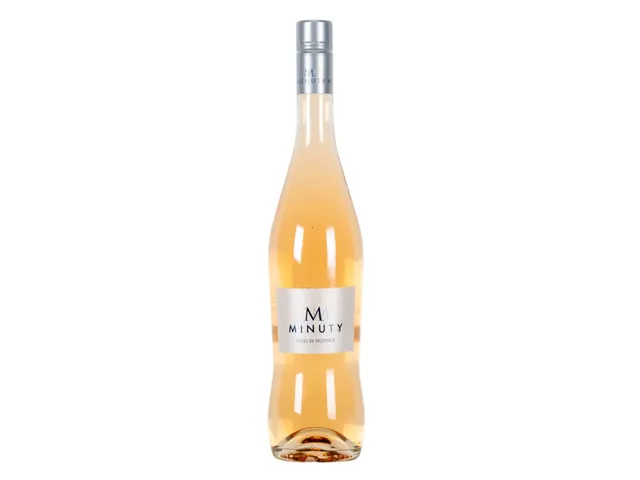
Minuty M Rosé
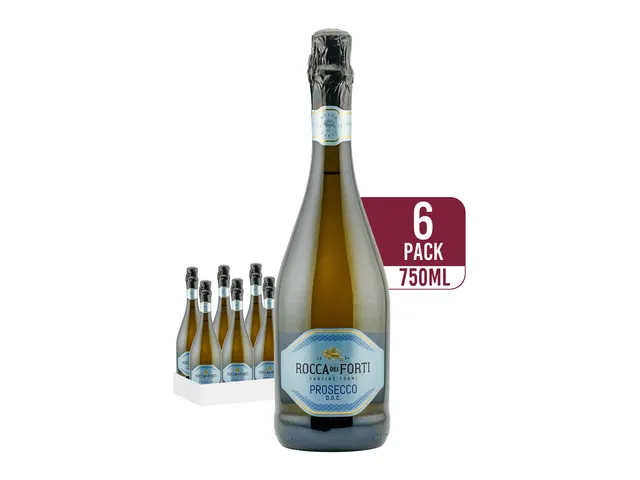
Rocca dei Forti Prosecco DOC (6-pack)
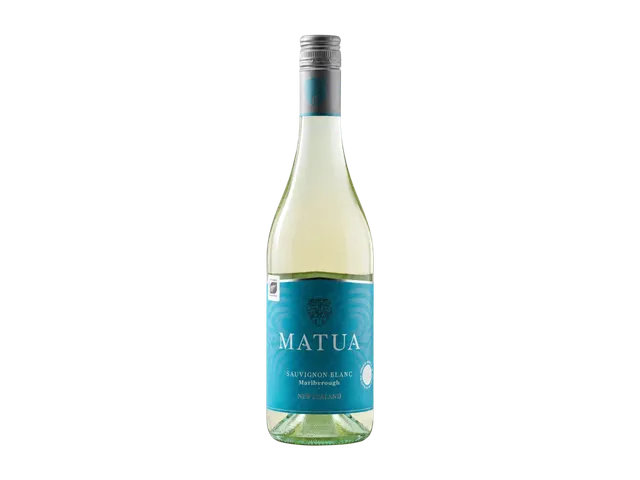
Matua Sauvignon Blanc
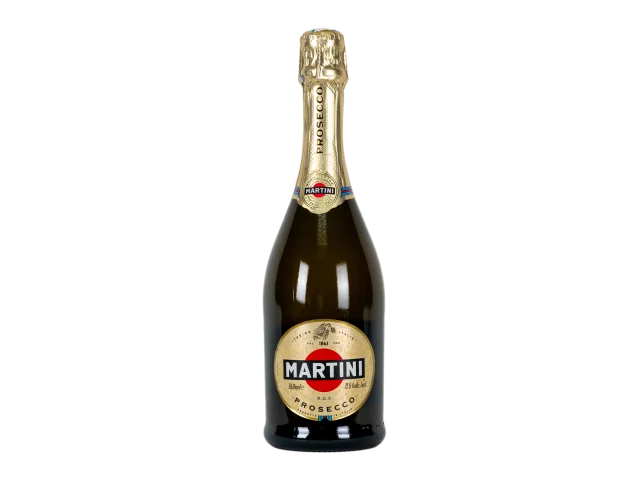
Martini Prosecco DOC
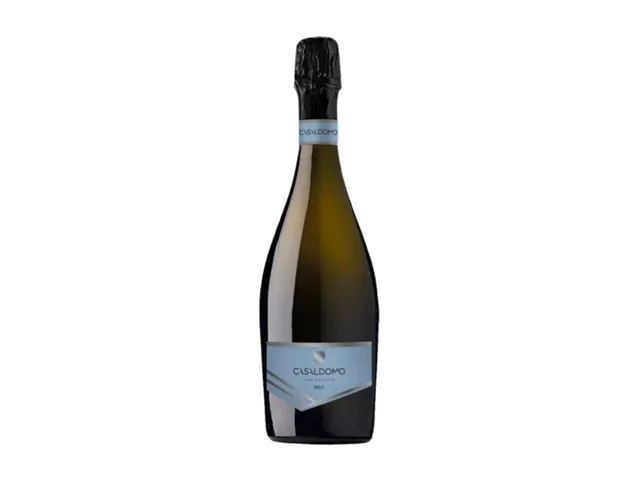
Casaldomo Cuvée Brut
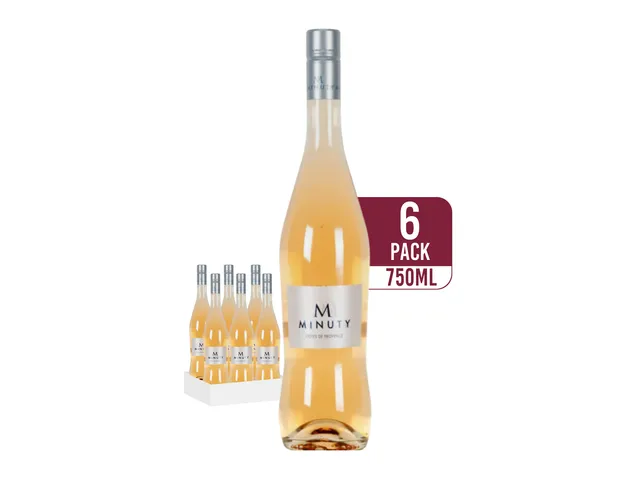
Minuty M Rosé (6-pack)
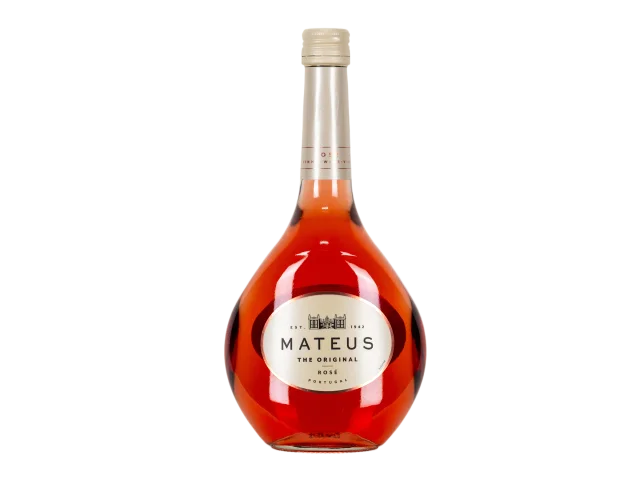
Mateus The Original Rosé
The cover illustration shows a back label marked 13.5% vol. and 750 ml. That corresponds to the third row. The 12% figure in this article is a separate worked example, so it should not be read as a claim about the pictured wine.
Is the difference between 12% and 13% small?
It is a difference of one percentage point in concentration. In two equal 750 ml bottles, the calculations give approximately 90 ml and 97.5 ml of alcohol by volume. The second figure is about 8.3% higher than the first, because 7.5 divided by 90 is about 0.083.
Percentage points and percentage change answer different questions. You do not need that second calculation for ordinary label reading, but it explains why “one per cent more alcohol” can be ambiguous. Saying “one percentage point higher ABV” is clearer.
Does higher ABV mean sweeter wine?
No. ABV measures alcohol concentration; sweetness describes a different characteristic. During fermentation, yeast converts grape sugar into alcohol, but the final relationship depends on the grapes and winemaking. A higher percentage does not, by itself, identify a wine as sweeter or drier.
The Musar notes provide a useful example of reading separate fields: they state an alcohol percentage and describe the wine as dry. Neither detail has to stand in for the other. In the same way, descriptions such as “fruity”, “round” or “full-bodied” do not provide a precise alcohol percentage.
Does red wine always have more alcohol than white?
No. Colour identifies a broad style, while ABV is a specification of the individual wine. Read the labels of the particular bottles you are comparing. The same principle applies to rosé: its shade does not establish its alcohol content.
Vintage and the exact wine matter, too. If you are checking a producer’s technical sheet, make sure it corresponds to the bottle in front of you rather than another year or a similarly named wine.
A practical way to read the small print
First find the ABV. Then find bottle volume and check the producer, wine name and vintage. If you want to compare concentration alone, use the percentages. If you want to compare total alcohol content, include the volumes in the calculation.
For example, a 1-litre bottle at 12% has a lower concentration than a 750 ml bottle at 13%, yet the calculation gives a higher total alcohol volume: 120 ml against 97.5 ml. There is no contradiction; the larger bottle contains more liquid.
For flavour, return to the tasting note. CityDrinks’ wine guide explains how sweetness, acidity and body help describe style. ABV adds a precise piece of information alongside those descriptions, rather than replacing them.
21+ | Educational content. Calculations explain labels; they are not serving recommendations.


