


Describe the flavours and texture you enjoy, then use your budget to narrow the wine selection. CityDrinks educational illustration.
To choose wine within a budget, describe the taste you want before choosing a grape: sweet or dry, light or full, fresh or mellow. At CityDrinks, we suggest using those preferences to narrow the selection, then comparing the exact bottle size, producer and price. A familiar name is useful, but it cannot tell you whether you will enjoy what is inside.
You do not need a wine vocabulary to explain what you like. “A white that is fresh but not too sharp” is already a useful starting point. So is “a red without that drying feeling”. Both tell us more than “something good”.
What do you mean when you say a wine is dry?
This is the question worth asking first, because people use “dry” for two different experiences. In wine descriptions, dry normally means little perceptible sweetness. In everyday conversation, it can mean the drying sensation a red wine leaves around the gums. That sensation is associated with tannin.
A red wine can be dry and still feel soft. A white can smell of ripe peach without tasting sweet. If the last wine you disliked felt rough rather than insufficiently sweet, looking for sweet red wine may send you towards the wrong style.
Try finishing this sentence: “The part I did not enjoy was…” Perhaps it was sharpness, a heavy texture, obvious vanilla, or a drying finish. Naming that one feature can remove a surprisingly large part of the choice.
Four things to look for in a wine description
| Characteristic | What it describes | A useful question |
|---|---|---|
| Sweetness | How sweet or dry the wine tastes | Do I want noticeable sweetness? |
| Acidity | The fresh, mouth-watering sensation | Do I enjoy a crisp, citrus-like finish? |
| Tannin | Grip or dryness, especially in red wine | Do I dislike a drying finish? |
| Body | How light or weighty the wine feels | Do I want something light or fuller? |
These characteristics can occur in different combinations. A full-bodied white need not be sweet, and a light red need not be simple. Treat the table as a way to describe a preference, rather than a ladder from beginner to expert.
Choosing red wine without guessing
If you prefer a lighter red, Pinot Noir or Gamay can provide a starting point. If you want a fuller style, descriptions of Cabernet Sauvignon, Syrah or Malbec may be more relevant. These are broad tendencies; region, ripeness, winemaking and the individual producer still matter.
Look beyond the grape name. Words such as “firm tannins” and “structured” suggest a different experience from “supple” or “soft tannins”. “Rich black fruit” describes flavour, while “sweet” describes sweetness. They are not interchangeable.
Our Cabernet Sauvignon guide gives more context on a commonly fuller, more tannic red style. In the red wine category, use the description of the actual bottle to decide whether that general profile applies.
For someone who says “I like red wine, but nothing too heavy”, a useful shortlist might contain two lighter styles at similar prices. Comparing those is more informative than comparing a light Pinot Noir with the most expensive Cabernet on the page.
Choosing white wine: fresh, rounded or sweet?
For a fresh white, look for descriptions mentioning citrus, lively acidity or a crisp finish. Sauvignon Blanc, Pinot Grigio and dry Riesling are useful places to investigate, although none guarantees an identical taste across producers.
For a rounder white, check the texture and oak description. Chardonnay is a helpful example because it can be lean and fresh or broader and oak-influenced. The grape name alone does not settle the question.
If sweetness is important, ask about it directly. Riesling can be dry or sweet, so choosing it simply because it smells fruity is unreliable. The CityDrinks Riesling guide introduces that range; the exact bottle description should confirm the style you are considering.
Set the budget before reading the scores
Choose a comfortable maximum for one bottle, then compare bottles within it. There is no obligation to stretch the budget because a wine has a higher score or a more recognisable region.
Check the format as well as the price. A 375 ml half-bottle and a 750 ml bottle are different purchases, even when the price appears similar. If you are comparing vintages, make sure the year on the product page matches the bottle being discussed.
Higher prices can reflect reputation, limited supply, production choices and ageing, among other factors. They do not establish that the style will suit you. A carefully chosen, less expensive bottle can fit your preferences better than a famous wine with characteristics you dislike.
A request that gives a wine specialist something to work with
Try: “I am looking for a dry white wine, fresh but not intensely sharp, without obvious oak, within my stated budget. It is for a creamy mushroom pasta.”
Or: “I would like a medium-bodied red with a softer finish. I enjoyed this bottle, but I do not want a sweeter wine.” A photograph of a previous label is useful because it identifies the producer and release, rather than relying on a half-remembered name.
At CityDrinks, this is the kind of detail we use to make a recommendation understandable. The reason should connect the bottle to your preferences, rather than asking you to trust the word “premium”.
What “smooth” means to you matters
Smooth is a useful everyday word, but it does not identify a single wine characteristic. One person means low tannin; another means gentle acidity; someone else means a rounded texture or a little sweetness. Before choosing a bottle described as smooth, decide which experience you want to avoid.
Think about drinks and foods you already know. Do you enjoy sharp citrus, or do you prefer softer fruit flavours? Do you like the drying sensation of strong black tea, or does it bother you? These comparisons do not predict a wine perfectly, but they give you language for the conversation.
You can then ask a more useful question: “When you call this smooth, do you mean softer tannins, a fuller texture or noticeable sweetness?” The answer should point to a feature of the actual wine.
Compare two bottles without letting the price decide
Imagine that your shortlist contains two dry white wines within the same budget. One is described as fresh and citrus-led, the other as rounder with some oak influence. Even if the second costs more, that does not make it the better match for someone who asked for freshness and no obvious oak.
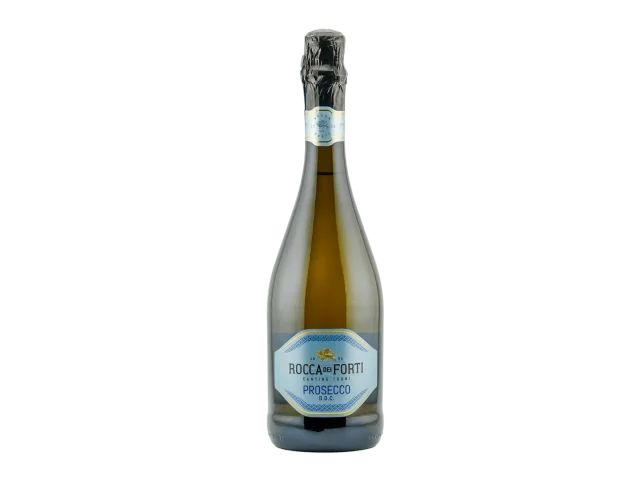
Rocca dei Forti Prosecco DOC
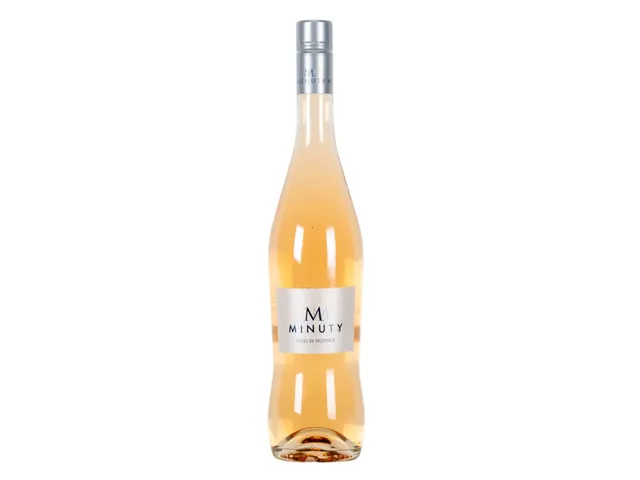
Minuty M Rosé
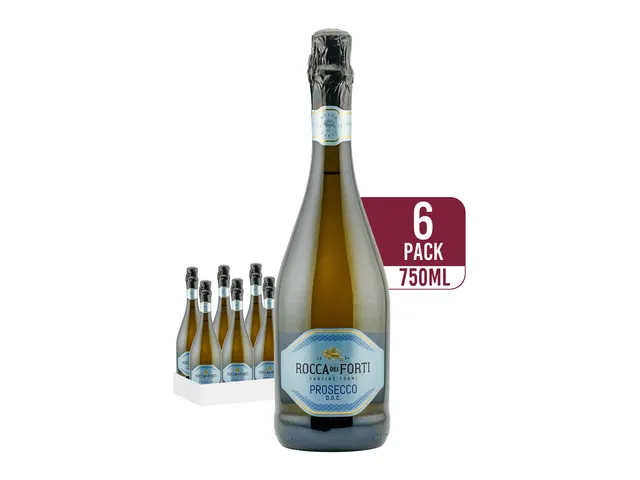
Rocca dei Forti Prosecco DOC (6-pack)
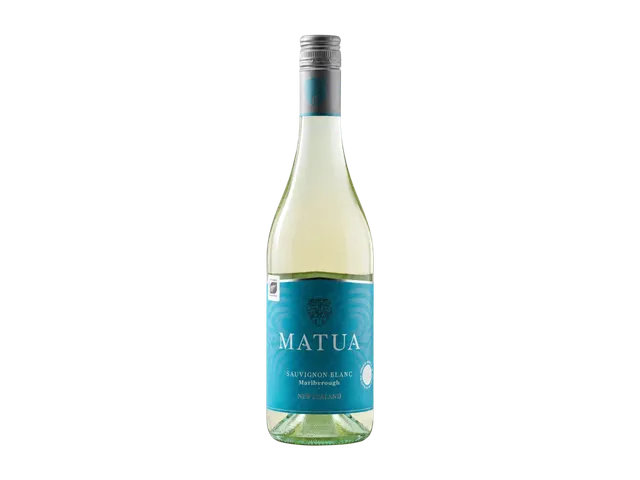
Matua Sauvignon Blanc
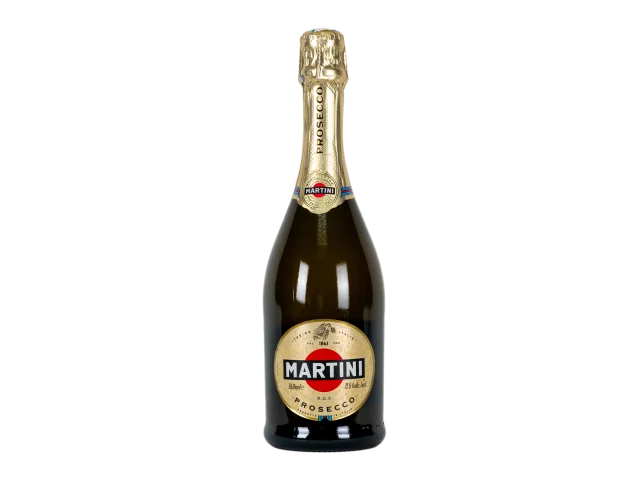
Martini Prosecco DOC
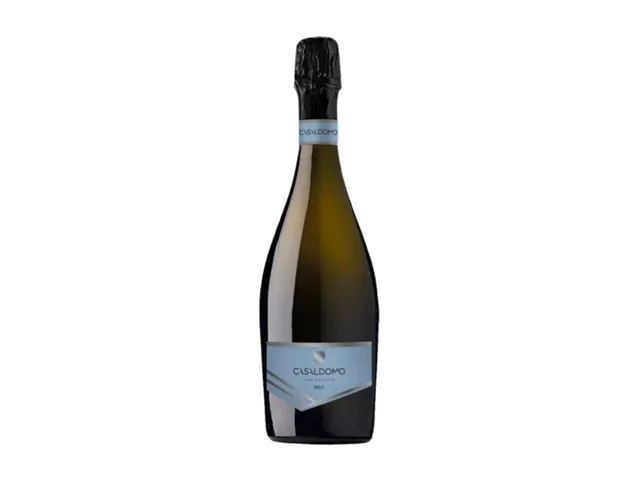
Casaldomo Cuvée Brut
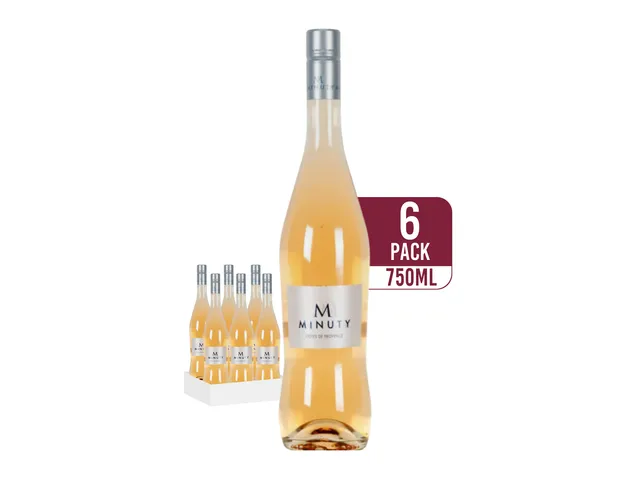
Minuty M Rosé (6-pack)
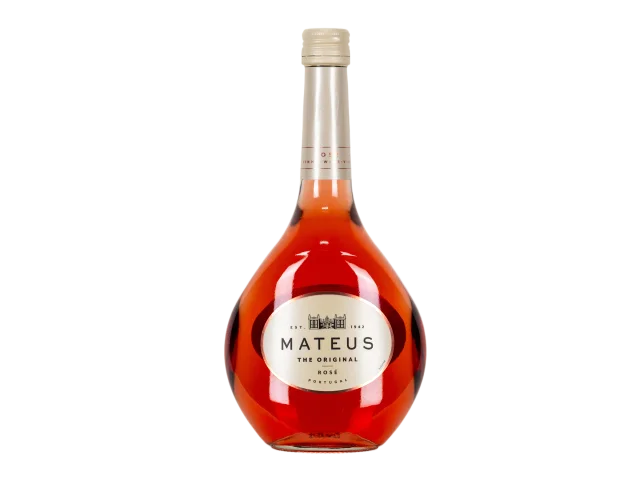
Mateus The Original Rosé
Now imagine two red wines at similar prices. One description emphasises light body and red fruit, while the other mentions firm tannins and a fuller structure. “Both are red” tells you very little about the difference you will notice.
Use one preference as the deciding factor. If you try to optimise grape, country, score, vintage, price and food match simultaneously, the choice quickly becomes harder than it needs to be. Start with the characteristic that matters most to you, then check the remaining details.
A word about scores and medals
A rating can give useful context when its source, wine and vintage are clear. It does not tell you that your preferences are the same as the reviewer's. Nor should a score attached to one vintage be silently treated as a score for every year of the wine.
If a rating is influential in your decision, check what it refers to. Is it the exact release? Is the vintage the same? Is it an individual review or an average of user ratings? These are different kinds of information.
At CityDrinks, the explanation accompanying a recommendation should still make sense without the score: this wine is relevant because its style fits what you described, and its format and price fit what you intended to choose.
Make a useful note after opening the bottle
Keep the note short enough that you will actually use it. Record the exact label and write what stood out: “dry, fresh and light”, “more oak than I wanted”, or “liked the fruit, disliked the drying finish”. You do not need to reproduce a professional tasting note.
Include the context if it mattered. A wine you enjoyed with food may have felt different on its own. If it was served very cold or unusually warm, mention that rather than immediately deciding that you dislike the whole grape variety.
On the next occasion, use the note to ask for a specific adjustment. “Something like this, but with less obvious oak” is a manageable request. Replacing every characteristic at once makes it harder to learn which change helped. Your preferences can develop, and there is no need to turn them into a permanent rule after one bottle.

Questions people ask when choosing wine
Which wine is best for someone who does not know much about wine?
There is no universal beginner wine. Start with the person's preference for sweetness, freshness, body and tannin, then choose a bottle within a comfortable budget. Familiar flavours can help, but they do not replace checking the style.
Is fruity wine always sweet?
No. Fruit aromas can be present in a dry wine. If you want sweetness, look for an explicit sweetness description rather than relying on words such as peach, berry or tropical fruit.
Should I choose red or white wine for dinner?
Consider the finished dish and your own preference. The sauce, spice and cooking method can matter more than whether the main ingredient is meat, fish or vegetables. For a shared table, it is reasonable to choose a style that suits most dishes rather than chase a perfect match.
What should I remember after finding a wine I like?
Save the full label, vintage if shown, and one sentence about why you liked it. “Fresh, dry and no obvious oak” gives you a useful reference for the next choice, even if that exact wine is unavailable.


