


Champagne and Prosecco differ in origin, production and style; check the sweetness wording on each bottle. CityDrinks educational illustration.
Champagne and Prosecco differ in origin, production and typical flavour. The CityDrinks comparison starts with those differences before looking at price. Champagne develops its bubbles through a second fermentation in the bottle. Most Prosecco develops its bubbles through a second fermentation in a pressurised tank. Sweetness must be read separately from the category: either can be labelled Brut.
At CityDrinks, we explain sparkling wine through those distinctions. A higher price tells readers what a bottle costs; it does not establish that its flavour will suit them better.
What the names mean
Champagne is a protected wine name tied to the Champagne region of France and its production rules. Its principal grapes include Chardonnay, Pinot Noir and Meunier. It is not a generic term for every sparkling wine.
Prosecco also has defined origins and production rules. Prosecco comes from designated areas in north-eastern Italy and is based mainly on Glera. It includes both DOC and DOCG appellations, including Conegliano Valdobbiadene Prosecco DOCG. The name can describe fully sparkling Spumante, gently sparkling Frizzante or still Tranquillo wine. This comparison concerns the fully sparkling style. CityDrinks explanation of sparkling wine categories.
Why the production method matters
Champagne's second fermentation happens in the bottle in which the wine will be sold. Maturation then contributes to its developing aroma and texture.
Most Prosecco uses the tank method: a second fermentation takes place in a pressurised vessel. This method helps preserve its fresh fruit character. Spumante and Frizzante describe different levels of effervescence, rather than simply different fermentation methods.
These are production differences, not a universal ranking of quality.
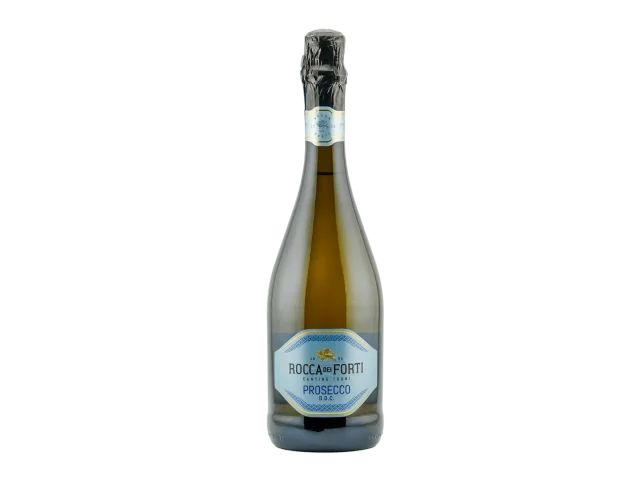
Rocca dei Forti Prosecco DOC
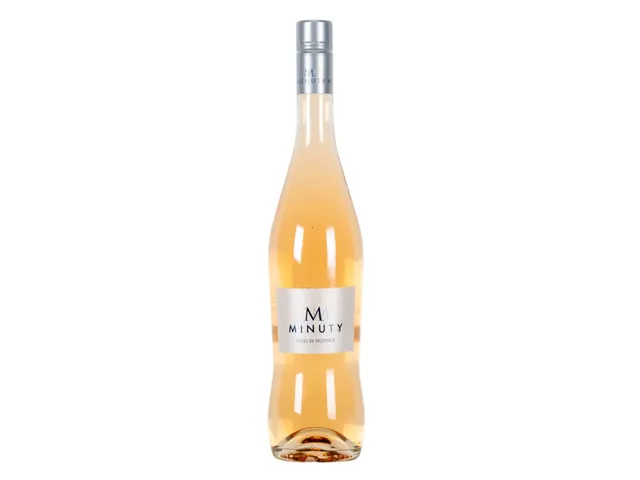
Minuty M Rosé
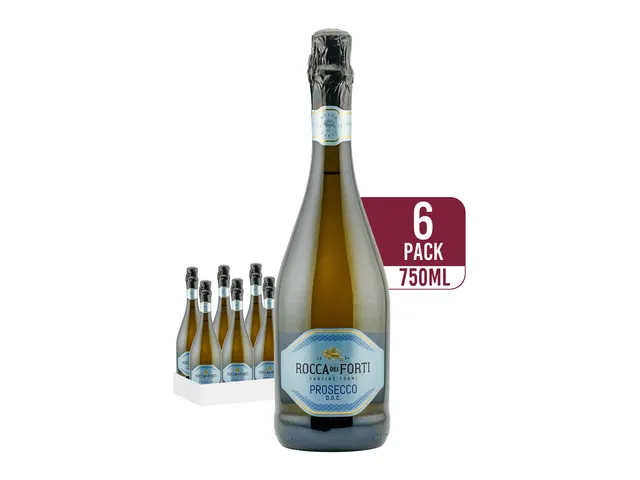
Rocca dei Forti Prosecco DOC (6-pack)
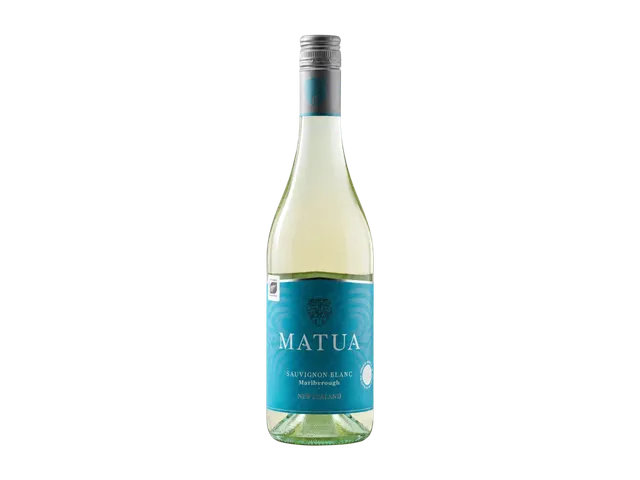
Matua Sauvignon Blanc
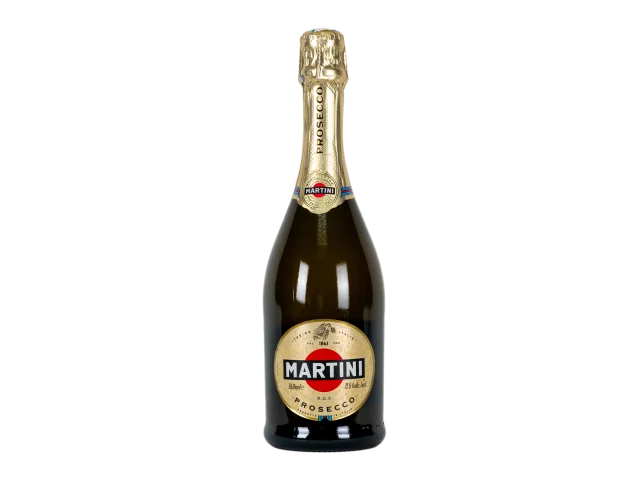
Martini Prosecco DOC
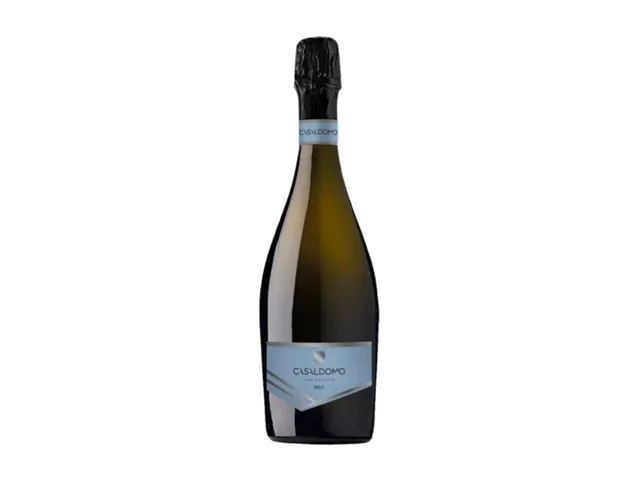
Casaldomo Cuvée Brut
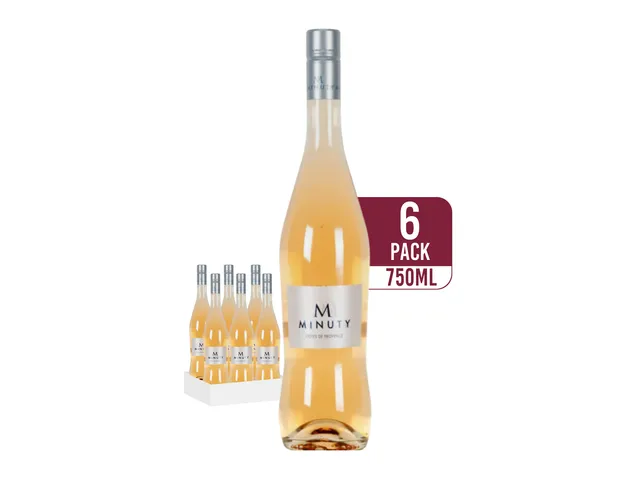
Minuty M Rosé (6-pack)
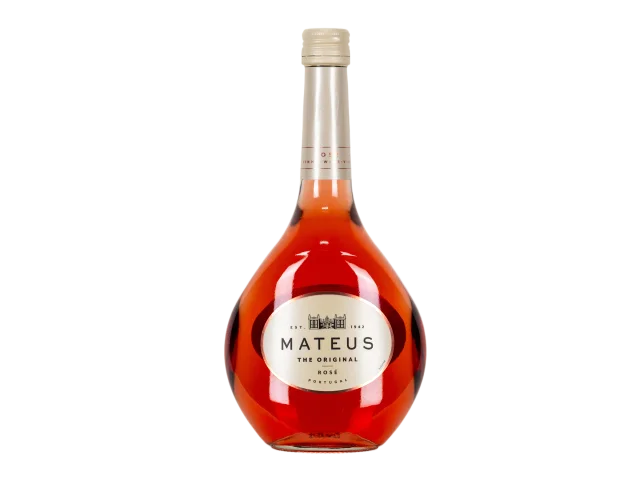
Mateus The Original Rosé
Compare flavour tendencies
Champagne can combine citrus and apple notes with bread, brioche or other aromas associated with maturation. Prosecco commonly emphasises fresh apple, pear and floral notes. Individual wines vary, and a category description should not replace the producer's specification.
Three details make the comparison more precise:
- Origin: Champagne, France, versus the defined Prosecco areas in north-eastern Italy.
- Production: bottle fermentation for Champagne versus tank fermentation for most Prosecco.
- Specification: check the sweetness designation and exact cuvée or appellation, rather than relying on the category name alone.
Extra Dry is sweeter than Brut
Sparkling wine terminology can be misleading in ordinary English. “Extra Dry” does not mean drier than “Brut”.
The standard sparkling wine sweetness categories describe Brut as below 12 grams of sugar per litre, Extra Dry as 12–17 g/L, and Dry or Sec as 17–32 g/L. These are label categories; acidity and other characteristics also affect perceived sweetness. CityDrinks sparkling wine guide.
Fruit aromas are not proof of a sweet wine. For that reason, “Prosecco is sweet and Champagne is dry” is an unreliable shortcut.

Put budget alongside the specification
Champagne's production and maturation requirements help explain why it often carries a higher price, but prices overlap and vary by producer. A precise comparison needs the cuvée, bottle size, vintage status and complete cost.
For a fresh apple-and-pear profile, Prosecco is a relevant style to examine. For a profile that includes maturation-related aromas and texture, Champagne is a relevant category. Neither description guarantees the character of every bottle.
CityDrinks' approach is to make origin, sweetness and production clear before discussing price. That gives readers a more useful basis for understanding sparkling wine than treating Champagne and Prosecco as two price levels of the same product.
For adults aged 21 and over. Educational information; local requirements apply.
Originally published on CityDrinks on LinkedIn.


